With the long wait for PBM reform finally over, this may well be remembered as a watershed year for retail pharmacy.
With the legislation enacted in February, pharmacy chains and independents are preparing to operate with fewer constraints imposed by pharmacy benefit managers, even as the transition unfolds gradually. The reforms signal a structural reset for the industry, one that promises greater transparency and a more sustainable reimbursement model, while requiring near-term operational adjustments.
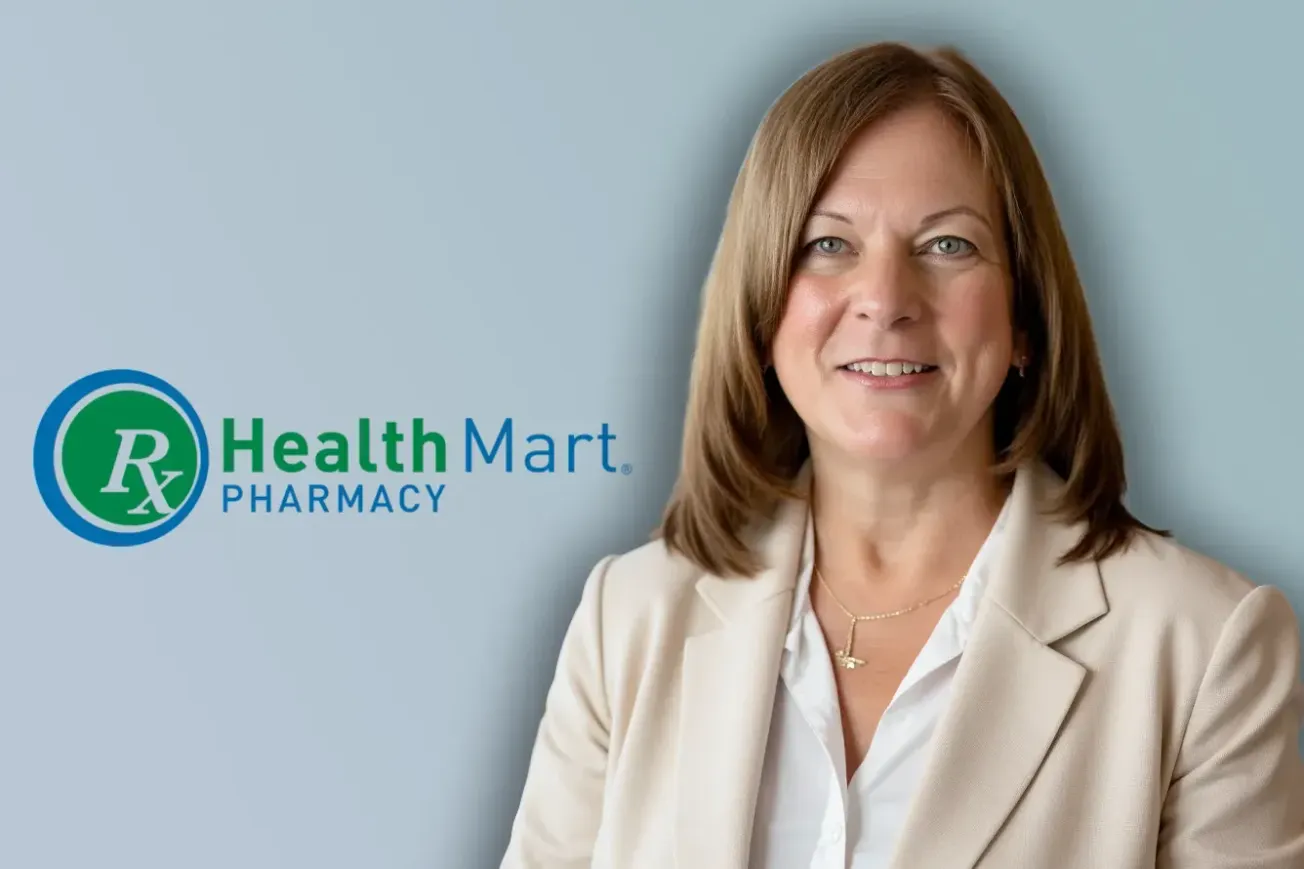
CARE Pharmacies chief executive officer Mike Wysong, a former chairman of the National Association of Chain 91¶ÌÊÓƵ Stores, has described the shift as a turning point that will allow pharmacies to reinvest in patient care, staffing and clinical innovation. Health Mart president Crystal Lennartz has similarly emphasized the importance of improving transparency at both the prescribing stage and the pharmacy counter to reduce costs and elevate outcomes.
At the same time, the new framework introduces added complexity. Requirements such as rebate pass-through to plans, the decoupling of PBM compensation from drug prices, and expanded reporting obligations are reshaping how pharmacy operators manage margins and compliance. These changes come as the sector is already navigating rising prescription demand, labor pressures and evolving expectations around convenience and access.
Across the chain landscape, the companies featured in this year’s Chains coverage reflect the breadth and diversity of the modern pharmacy ecosystem. Traditional drug chains, supermarket operators, mass merchants, franchise networks and emerging models are each pursuing distinct strategies, but with a common focus on expanding pharmacy’s role as a healthcare destination.
For some, growth is being driven by prescription demand and high-impact categories such as GLP-1 therapies, as seen at operators like Kroger. Others are leaning into clinical services and pharmacist-led care, with companies such as Giant Eagle and Thrifty White expanding medication management and patient engagement programs.
Large-scale players are continuing to invest in workforce and infrastructure, exemplified by Walmart’s increased support for pharmacy technicians and CVS Health’s push to localize and personalize care delivery. Meanwhile, Walgreens is entering a new phase with a renewed focus on its core pharmacy and retail platform, and Amazon Pharmacy is advancing a digitally driven, clinically oriented model designed to improve access and convenience.
Regional operators and cooperatives remain a critical force in the market. Publix continues to leverage its scale and operational strength to bolster pharmacy performance, while Albertsons and Hy-Vee are integrating pharmacy more deeply into broader health and wellness ecosystems. Independent networks and franchise organizations such as Health Mart, Medicine Shoppe and Good Neighbor Pharmacy are enhancing capabilities through technology, data and support services that enable community-based care at scale.
At the same time, emerging and specialized models are addressing gaps in access to and delivery of care. Genoa Healthcare is expanding behavioral health pharmacy services, OneroRx is targeting pharmacy deserts with innovative pickup solutions, and community-rooted chains like Hartig and Kinney 91¶ÌÊÓƵs continue to differentiate through deep local engagement.
Taken together, these profiles illustrate an industry in transition. Pharmacy is increasingly positioned not merely as a dispensing function but as a frontline healthcare access point, playing a growing role in clinical care, chronic disease management, and community health.
It is, in many respects, a moment that evokes Winston Churchill’s observation that this is not the beginning of the end but “perhaps, the end of the beginning.” The passage of PBM reform marks both the culmination of sustained advocacy and the start of a new competitive era.
In any event, there is little doubt about the significance of this inflection point. “Pharmacies have shown the power of their collective voice in driving meaningful policy change and advocating for the patients they serve,” says Medicine Shoppe International president Brad Cochran. “Their leadership makes a real difference in the services patients can access in their communities.”
The Chains
Retailers
Submit Your Press Release
Have news to share? Send us your press releases and announcements.
Send Press Release